How Personalised Coaching Boosts Employee Wellbeing for the Long Haul
How Personalised Coaching Boosts Employee Wellbeing for the Long Haul
Most employee wellbeing programs fizzle out before real change takes hold. Stress piles up, mobility shrinks, and productivity dips—without tailored support, these issues stick around. Personalised coaching offers a different path, focusing on sustainable improvements that respect your busy schedule and joint health. In this post, you’ll see how thoughtful, individualised guidance can help you manage stress, improve movement quality, and find a better work-life balance over the long haul. Learn more about the impact of personalised coaching on workplace wellbeing.
Personalised Coaching for Long-term Wellbeing
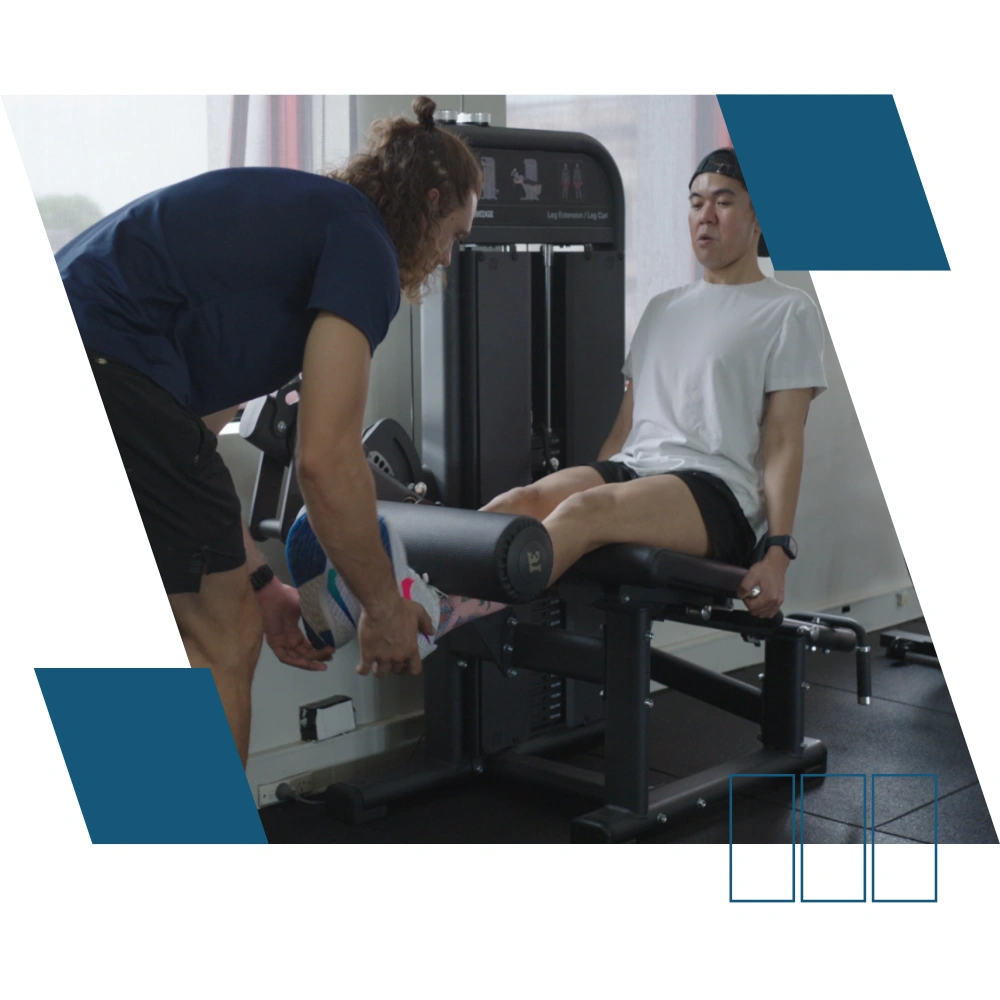
When stress mounts and productivity takes a hit, personalised coaching becomes a beacon of hope. It offers a tailored approach to employee wellbeing, focusing on individual needs. This personalised touch lays a foundation for lasting health improvements.
The Role of Personalised Coaching
Imagine having a coach who knows your schedule, understands your stressors, and helps you manage them effectively. Personalised coaching provides this level of support, tailoring strategies to fit your life.
Coaches focus on more than just exercise; they help you develop habits that improve your overall wellbeing. From stress management techniques to improving movement quality, they guide you in a way that respects your unique circumstances.
The key is the individual approach. Your coach will work with you to identify specific goals and barriers, creating a plan that feels achievable. It’s not about drastic changes; it’s about sustainable improvements.
Research shows that coaching can significantly lower stress levels. A study found that 70% of employees who received personalised coaching reported reduced stress and increased productivity. Source: Global Wellness Institute
Benefits of Sustained Employee Wellbeing
Sustained wellbeing isn’t just about feeling good today. It’s about building a healthier future. With personalised coaching, you learn to manage stress, which directly impacts your productivity and job satisfaction.
When you feel less stressed, you can focus better and be more productive. This has a positive ripple effect on your entire work environment. You’re not just a happier employee; you’re also a more valuable one.
Personalised coaching also helps you maintain a better work-life balance. By learning how to manage your time and stress, you can enjoy your personal life without feeling overwhelmed by work.
Most people think they need to overhaul their lives to see benefits, but simple adjustments guided by a coach can make a big difference. The longer you wait to start, the more stress and imbalance can accumulate.
Integrating Fitness into Busy Lives
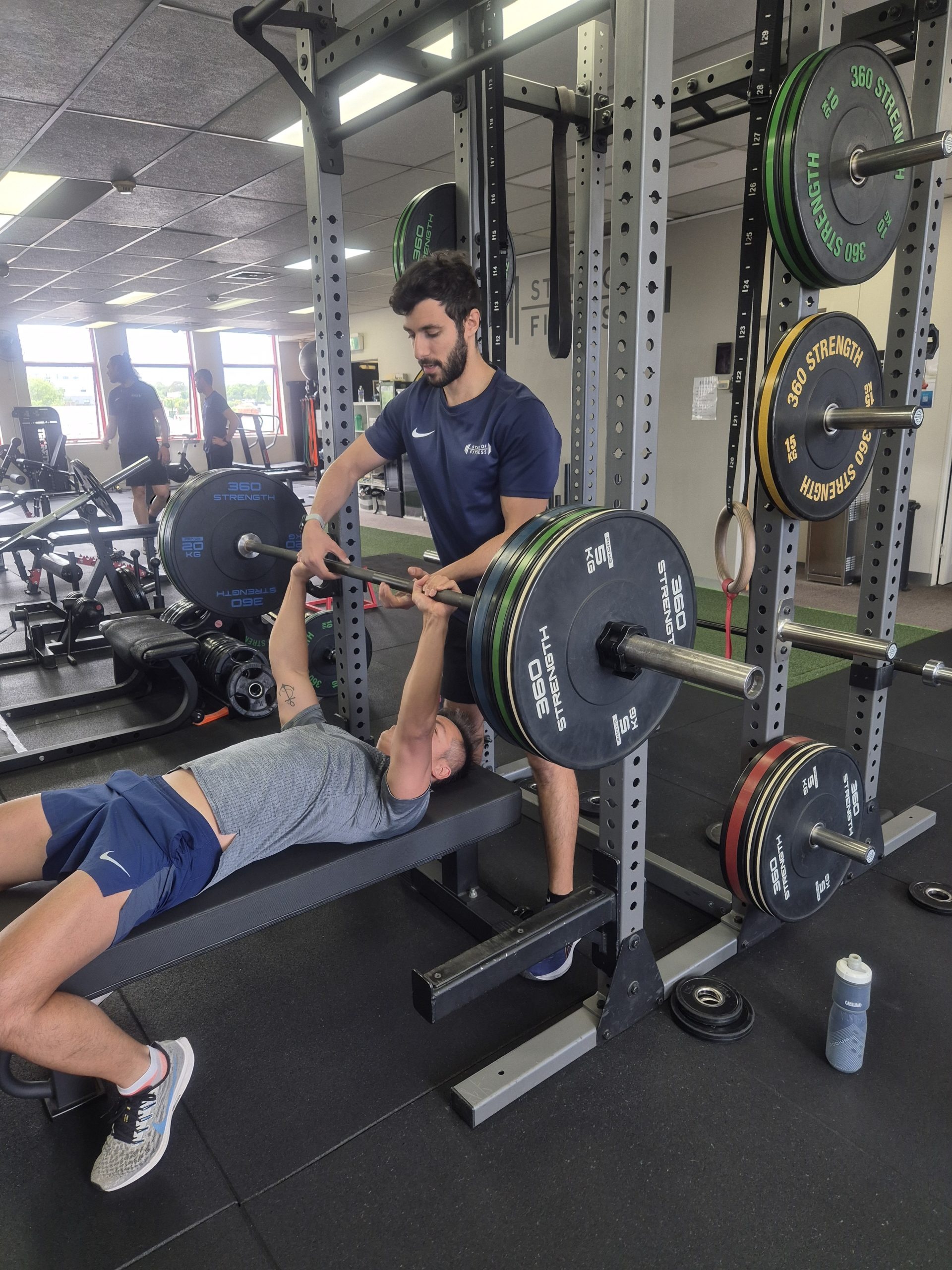
Busy lives often make integrating fitness seem like a daunting task. But finding ways to incorporate movement into your day doesn’t have to be overwhelming. With the right strategies, you can fit exercise and wellbeing into even the busiest schedules.
Strategies for Time Management
Time management is crucial when balancing work and fitness. Begin by identifying small pockets of time throughout your day.
Start with short, manageable workouts. Even brief 10-minute sessions can be effective. Break your exercise into smaller chunks if necessary, fitting them in during breaks or between tasks.
Use tools like calendars or apps to schedule your workouts as you would any important meeting. This creates accountability and helps you stick to your plan.
Remember, consistency is key. Regular, short workouts can lead to better results than sporadic, longer ones. The goal is to create a habit that becomes part of your routine.
Overcoming Common Barriers
Barriers are a normal part of any fitness journey, but they can be managed with the right mindset. Often, the biggest obstacle is the belief that you don’t have time.
Challenge this assumption by re-evaluating your day. Are there time-wasting activities you can reduce? Could you incorporate movement into your commute?
Consider what keeps you motivated. Is it a specific goal, or do you enjoy a particular type of exercise? Finding what drives you can help overcome barriers.
Also, remember that progress is not about perfection. It’s about doing what you can, when you can. Even small steps forward are steps in the right direction.
Building a Resilient Body and Mind
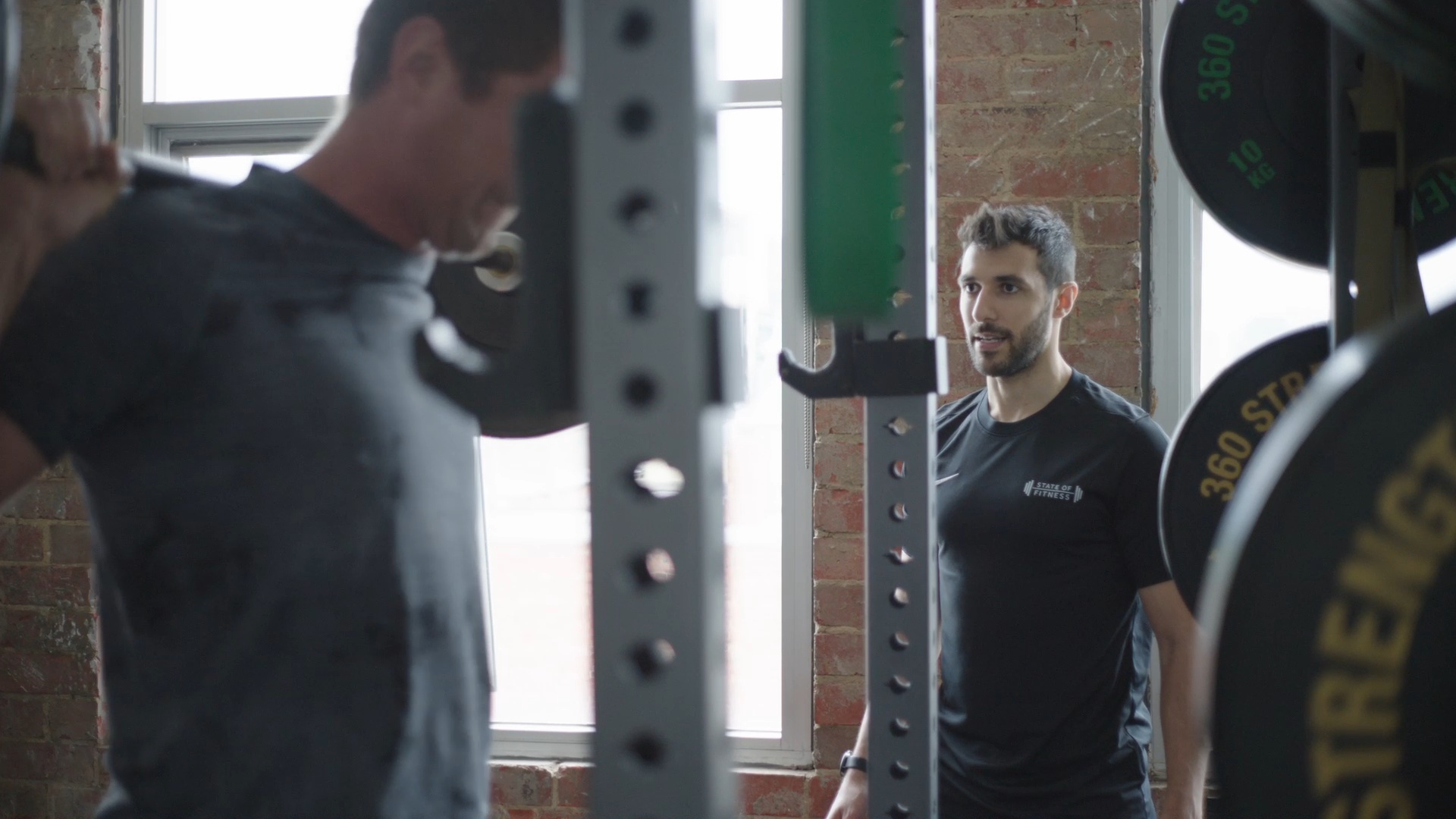
Building resilience in both body and mind is fundamental for long-term wellbeing. By focusing on mobility and stress management, you create a foundation for a healthier, more balanced life.
Importance of Mobility Improvement
Mobility is about more than just flexibility; it’s how well your body can move through its range of motion without pain. Improving mobility reduces the risk of injury and makes everyday activities easier.
Incorporate exercises that focus on joint-friendly movements. Yoga or Pilates can be excellent for this, but even simple stretches can improve how your body feels and functions.
Improving mobility isn’t just for athletes. It’s for anyone who wants to move more comfortably and confidently. The benefits extend beyond the gym to your daily life.
Over time, you’ll notice improvements not only in how you move but also in how you feel. Your body will thank you for the attention you give it now and in the future.
Enhancing Productivity and Work-life Balance
When your body moves well, your mind can function at its best. Good mobility supports better posture, which in turn can lead to improved focus and energy levels.
A resilient body supports a resilient mind, helping you handle stress more effectively. This contributes to better productivity and a healthier work-life balance.
Balance isn’t about dividing time equally between work and personal life; it’s about integrating them in a way that feels right for you. Personalised coaching can help you find this balance.
Here’s the key insight: when you take care of your body, you’re also taking care of your mind. This holistic approach leads to sustained improvements in both productivity and wellbeing.
By investing in your mobility and stress management, you’re setting yourself up for a future where you feel good, both at work and at home. And isn’t that what we all ultimately strive for?