
Build Sustainable Fitness Habits Around a Busy Lifestyle
Busy schedules often leave you wondering how to fit fitness in without adding stress. For busy professionals, sustainable fitness habits aren’t about squeezing in every minute—they’re about smart, joint-friendly routines that respect your time and body. In this post, you’ll learn how structured training and simple time management can reduce decision fatigue while improving your mobility and strength. Your knees will thank you later. For more insights, check out this resource.
Sustainable Fitness Habits for Busy Lives

When life feels like a juggling act, finding time for fitness can seem impossible. But here’s the secret: It’s about establishing anchors in your schedule that promote consistency without stress. This approach can turn your busy life into a foundation for sustainable fitness.
Finding Your Training Anchors
Anchoring your training around consistent routines creates stability. Begin by choosing two or three specific times each week that you can dedicate to exercise. This might mean early mornings before the day begins or evenings after work. The key is to pick times that are least likely to conflict with other demands.
-
Start small: Commit to 20- to 30-minute sessions, focusing on quality over quantity.
-
Flexibility is your friend: If a session gets interrupted, don’t stress—adjust and keep going.
By setting your training anchors, you can create a predictable routine that fits seamlessly into your lifestyle.
Building Joint-Friendly Strength
Strength training doesn’t have to be intimidating or harsh on your joints. In fact, with the right approach, it can be a gentle journey towards greater resilience. Focus on exercises that support joint health and cater to your body’s current needs.
-
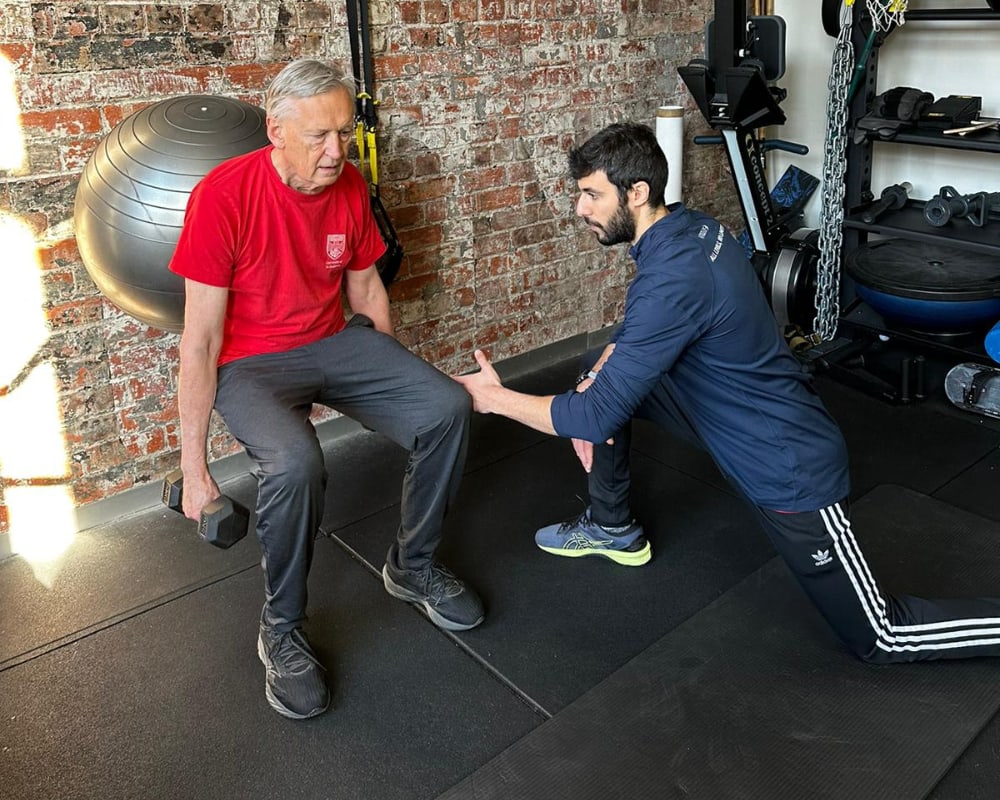
Choose low-impact exercises: Think squats, lunges, and resistance bands for gentle strength building.
-
Prioritise form: Proper technique prevents injury and ensures you’re targeting the right muscles.
By paying attention to your body’s signals and adjusting accordingly, you can build strength that enhances your daily life without overstraining.
Time Management for Training Success
Integrating exercise into a busy life requires more than just motivation. It demands smart time management to reduce decision fatigue and make workouts feel rewarding rather than another item on a to-do list.
Reducing Decision Fatigue
The key to reducing decision fatigue is to simplify your workout choices. Decision-making can be draining, and when you have too many options, it’s easy to skip a session altogether.
-
Pre-plan your week: Decide on workout days and types of exercises in advance.
-
Embrace a go-to routine: Have a default set of exercises you can rely on when time is tight.
This streamlined approach allows you to focus on the workout itself rather than on what to do next.
Calendar Blocking and Session Templates
Using calendar blocking can be a game-changer in sustaining your fitness routine. By blocking out time specifically for workouts, you’re more likely to stick to your plan.
-
Block consistent times: Treat your workout like an important meeting you cannot miss.
-
Create session templates: Develop a few go-to workout templates that you can rotate through the week.
With these tools, you’ll find it easier to manage your time while staying committed to your fitness goals.
Joint-Friendly Movements and Mobility

To keep your body happy and healthy, incorporating joint-friendly movements into your routine is essential. These exercises improve your mobility and help prevent injuries, making everyday movements smoother and more comfortable.
Improving Range of Motion
Enhancing your range of motion is crucial for joint health and overall movement quality. Simple exercises can make a significant difference.
-
Incorporate dynamic stretches: Arm circles, leg swings, and torso twists can warm up the body efficiently.
-
Focus on areas of tension: Spend extra time on tight spots to enhance flexibility and comfort.
By regularly practicing these movements, you open up your joints, making daily tasks easier and more enjoyable.
Safe Progression Around Injuries
Working around injuries requires caution and care. Prioritising safety while gradually improving strength and flexibility can lead to better outcomes and prevent further harm.
-
Listen to your body: Avoid pushing through pain; instead, modify exercises to accommodate current limitations.
-
Progress slowly: Increase intensity and duration gradually to build resilience without overexerting yourself.
Implementing these strategies helps you maintain a consistent routine without compromising your health, setting you up for long-term success. For additional guidance, consider these expert tips.
Incorporating these practices into your lifestyle not only supports your fitness journey but also enhances your overall wellbeing, letting you move more freely and confidently through your day.