
Avoiding Injury Setbacks: The Smart Way to Train
Most injury setbacks come from pushing too hard without a clear plan. If you want to stay consistent and avoid those frustrating pauses, smart programming is your best mate. By focusing on technique, mobility, and joint health, you can build strength that lasts—without risking your body. Let’s explore how personalised training can help you move better and feel more confident every step of the way. For more insights, check out this article.
Smart Programming Basics

Smart programming is all about creating a tailored approach to achieve your fitness goals while keeping injury prevention in mind. It’s not just about lifting weights or running miles; it’s about understanding your body’s needs and capabilities.
Personalised Training Plans
When it comes to personalised training plans, you’re not just following a generic routine. Your plan is crafted around your unique goals, abilities, and limitations. This means considering your fitness history and any existing injuries. By focusing on a tailored approach, you can work towards your goals safely and effectively.
Most people think they need to push through standardised routines, but that’s where mistakes happen. Having a plan that considers your individual needs means you can progress without unnecessary risks. This is especially valuable if you’ve struggled with injuries in the past. A personalised plan is your roadmap to success, ensuring each step is deliberate and safe.
Gradual Progression Techniques
Progress doesn’t happen overnight. With a gradual progression, you build strength and endurance step by step. This approach reduces the risk of overloading your body and causing injuries.
Instead of diving into intense workouts, you’ll start with manageable exercises. As your body adapts, the intensity and complexity increase. This method ensures that your muscles, joints, and tendons are ready for each new challenge. By taking small, consistent steps, you keep moving forward without setbacks.
Injury Prevention Essentials
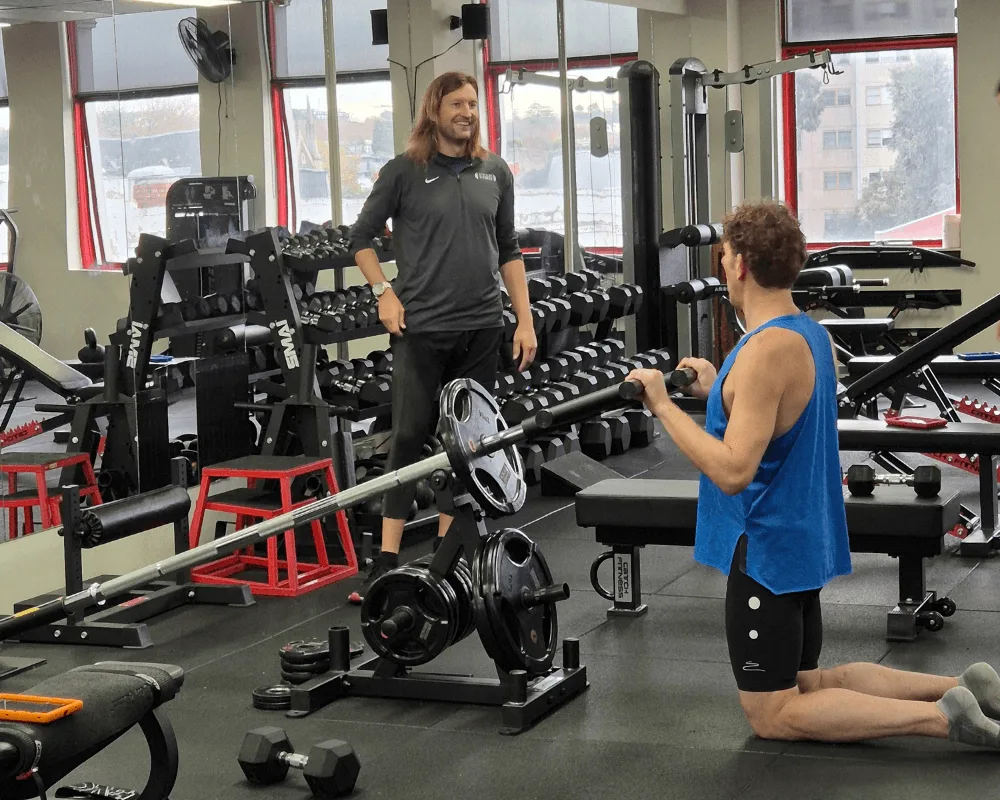
Transitioning from smart programming, let’s focus on the essentials of preventing injuries. Your technique and overall joint health are at the forefront of this approach, allowing you to train confidently.
Technique and Form Focus
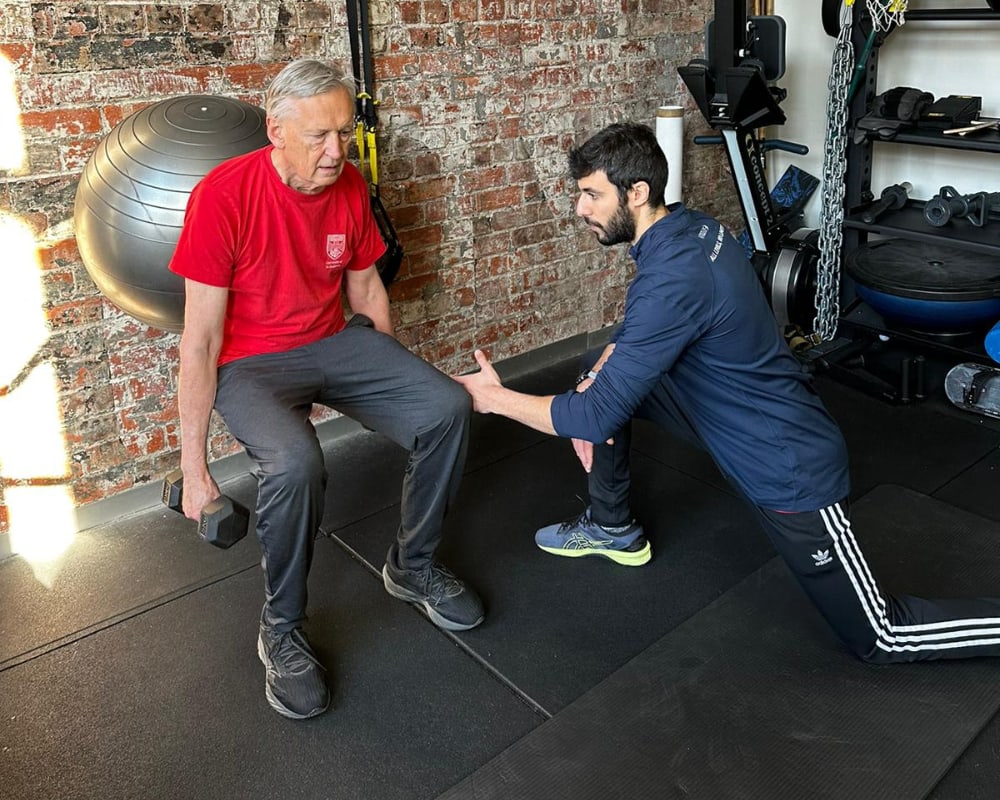
Good technique is the backbone of safe training. It’s not just about looking good while lifting weights; it’s about moving your body efficiently to prevent strain. When you focus on form, you reduce the risk of injuries like sprains or pulls.
You’ll learn to control your movements, ensuring that each exercise targets the right muscles without unnecessary stress. Many assume lifting heavier is the key, but proper form always takes precedence. By mastering technique, you build a foundation that supports your entire fitness journey.
Mobility and Joint Health
Mobility and joint health are crucial for sustainable fitness. With proper mobility exercises, you enhance your range of motion and reduce stiffness. This is particularly important for those who have experienced injuries.
Incorporating mobility work into your routine doesn’t just prevent injuries; it improves your overall performance. You’ll find that exercises become easier and more effective as your joints move freely. This focus on mobility ensures you’re not just getting stronger but also moving better.
For deeper insights into how mobility impacts your training, don’t miss this insightful piece.
Sustainable Fitness Habits
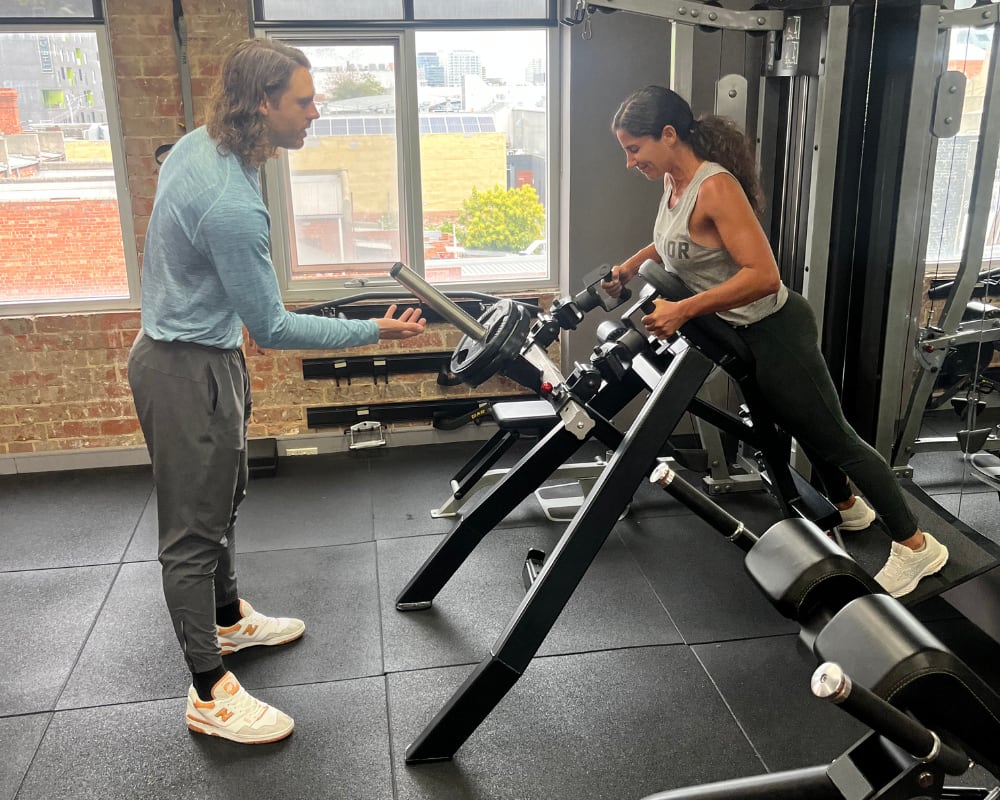
Once you’ve mastered injury prevention, it’s time to think about making fitness a long-term habit. Building a routine that’s sustainable and fits your lifestyle is key to lasting success.
Long-term Strength Building
Building strength doesn’t mean quick fixes. It’s about developing a routine that grows with you. By focusing on long-term strength, you ensure that your progress is steady and sustainable.
You’ll find that consistency is your ally here. By sticking to a structured plan, you allow your body to adapt and strengthen over time. This approach not only prevents injury but also sets a solid foundation for future goals. Remember, strength building is a marathon, not a sprint.
Time Management for Busy Lives
Making time for fitness in a busy schedule is challenging, but it’s essential for maintaining your health. By prioritising effective workouts, you can fit exercise into your life without feeling overwhelmed.
You’ll learn to use your time wisely, focusing on quality over quantity. This means shorter, more targeted sessions that yield results. With smart time management, you eliminate the stress of long workouts while still achieving your fitness goals. It’s about finding balance and ensuring exercise enhances your life, not complicates it.
Understanding how time management impacts your fitness journey is crucial. Explore more on this topic here.
In summary, smart programming combined with injury prevention and sustainable habits creates a well-rounded approach to fitness. By prioritising personalised plans, technique, and time management, you ensure that your journey is not only successful but enjoyable.