
Joint‑Friendly Training: Strength and Mobility for the Long Haul
Old niggles in your knees or shoulders don’t have to dictate how you move or train. Joint-friendly exercises protect your long-term joint health by improving range of motion and calming flare-ups that tend to creep in over time. At State of Fitness, our injury-aware coaching focuses on technique-first strength and mobility training designed to keep you moving well for years ahead. Book a movement assessment at our South Yarra studio to get started on a plan that fits your life and keeps decision fatigue at bay. For more on how exercise helps joints, check out this resource.
Importance of Joint-Friendly Exercises

Joint-friendly exercises offer more than just comfort; they are essential for maintaining your body’s functionality. Let’s explore why focusing on joint health is a smart move for long-term wellness.
Protecting Long-Term Joint Health
Protecting your joints is a crucial aspect of staying active as you age. Joint-friendly exercises, such as low-impact activities, help to maintain the integrity of your joints by strengthening the muscles around them. This protection is vital for preventing long-term damage and ensuring you stay mobile and pain-free. Did you know that regular movement can even help reduce the risk of arthritis? According to the Arthritis Foundation, exercise helps maintain joint health by keeping cartilage nourished and reducing stiffness.
Improving Range of Motion
Improving your range of motion is key to feeling agile and capable in your daily life. Joint-friendly exercises focus on flexibility and mobility, allowing you to move through life’s demands with ease. Simple stretches and controlled movements can make a world of difference. For example, incorporating dynamic stretches into your routine can improve your flexibility significantly over time. By consistently working on your range of motion, you’ll find everyday tasks become easier, and you’ll be less prone to injuries.
Reducing Exercise-Related Flare-Ups
No one enjoys dealing with exercise-related flare-ups. These can be a real setback, especially if you’ve been trying to establish a consistent fitness routine. Joint-friendly exercises help in reducing these flare-ups by focusing on controlled, gentle movements that don’t strain your joints. Activities like swimming and cycling are great options, as they provide a cardiovascular workout without the harsh impact on your joints. According to Mayo Clinic, choosing the right type of exercise can alleviate joint stress and prevent exacerbations, helping you stay on track with your fitness goals.
Building Sustainable Strength

Building strength sustainably is about more than lifting heavy weights. It’s about focusing on exercises that support your joints and promote overall stability. Let’s dive into how you can build strength without compromising joint health.
Knee-Friendly Strength Work
Knee-friendly strength work is essential for anyone with past injuries or current discomfort. Squats, when done correctly, can strengthen the muscles around your knees without causing strain. Start with bodyweight squats to nail down the form, then gradually introduce weights as you feel comfortable. Resistance bands can also provide an excellent way to challenge your muscles without adding stress to your knees. Remember, the focus is on quality over quantity. Ensuring your knees align with your toes and avoiding excessive forward knee movement can prevent unnecessary pressure on your joints.
Shoulder Mobility and Stability
Shoulder mobility and stability exercises are vital for anyone spending long hours at a desk or dealing with shoulder discomfort. Exercises like wall slides and band pull-aparts can enhance your shoulder’s range of motion while building strength. It’s crucial to maintain an upright posture and focus on slow, controlled movements. By integrating these exercises into your routine, you can prevent shoulder stiffness and improve your overall upper body function. For more insights on maintaining joint health, consider reading this article.
Lower-Back Friendly Exercises
Lower-back friendly exercises are a must for those experiencing discomfort in that area. Focus on exercises that strengthen your core and support your spine. Planks and bird-dogs are excellent choices as they engage your core without placing strain on your lower back. Consistency is key, so aim to integrate these exercises into your routine regularly. By doing so, you’ll build a strong foundation that supports your back and reduces the risk of future pain.
Personalised Movement Assessments

Personalised movement assessments are the starting point for creating a workout plan that aligns with your needs. Let’s explore how these assessments make a difference.
Identifying Joint-Friendly Starting Points
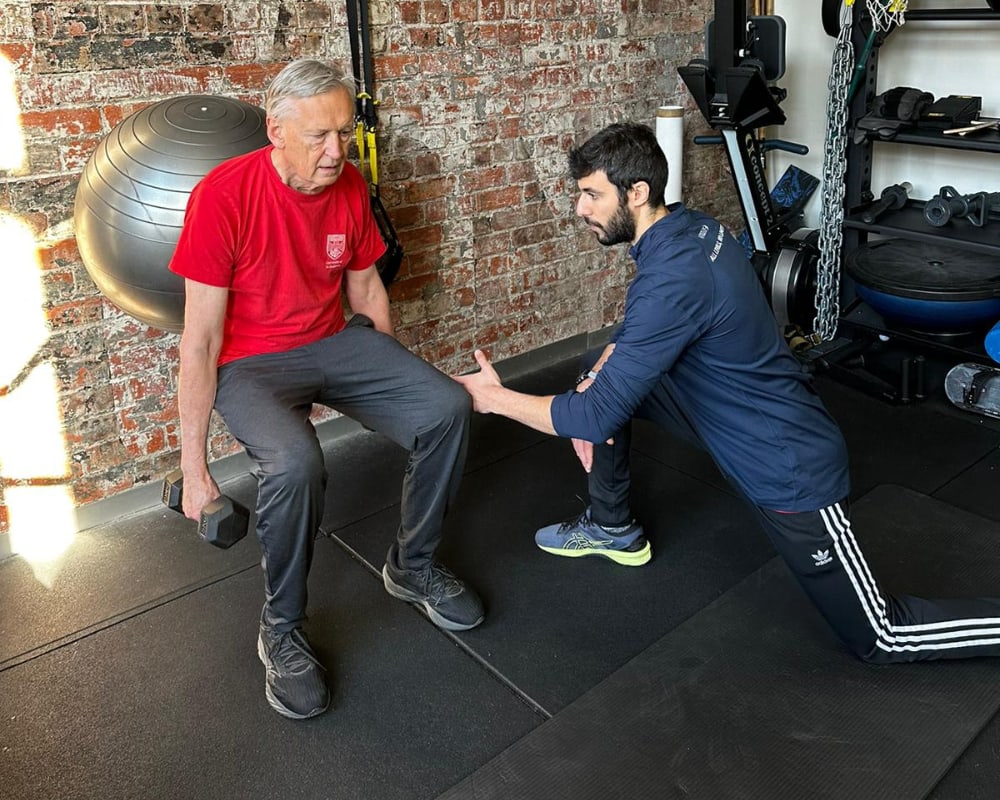
Identifying joint-friendly starting points is essential for crafting a fitness plan that works for you. During a movement assessment, trainers evaluate your range of motion, flexibility, and muscle imbalances. This evaluation helps in understanding where you might need extra support or modification. Starting with exercises that match your current abilities ensures that you progress safely, reducing the risk of injury. By focusing on your individual needs, you lay the groundwork for a sustainable fitness journey.
Creating a Simple, Individualised Plan
Creating a simple, individualised plan is about tailoring exercises to fit your lifestyle and goals. Based on your assessment, trainers develop a plan that incorporates joint-friendly exercises, ensuring that you build strength and mobility without discomfort. This approach eliminates the guesswork, providing a clear path forward. It’s not about following the latest fitness trends but rather focusing on what works best for you. With a plan in place, you’ll find it easier to stay committed and see meaningful progress.
Supporting Time-Efficient Workouts
Supporting time-efficient workouts is crucial for busy professionals who find it challenging to squeeze fitness into their tight schedules. By focusing on exercises that offer maximum benefit in minimal time, you can maintain consistency without feeling overwhelmed. Short, effective sessions that incorporate both strength and mobility ensure you’re making the most of your time. This approach reduces decision fatigue, allowing you to focus on your workouts without added stress. With the guidance of university-qualified trainers, you’ll receive expert advice on how to optimise your workout routine for both efficiency and effectiveness. For more tips on maintaining joint health, check out this resource.
By understanding the importance of joint-friendly exercises and incorporating them into your routine, you’re investing in your long-term health. With the right guidance and support, you can enjoy a fitness journey that’s both sustainable and rewarding.