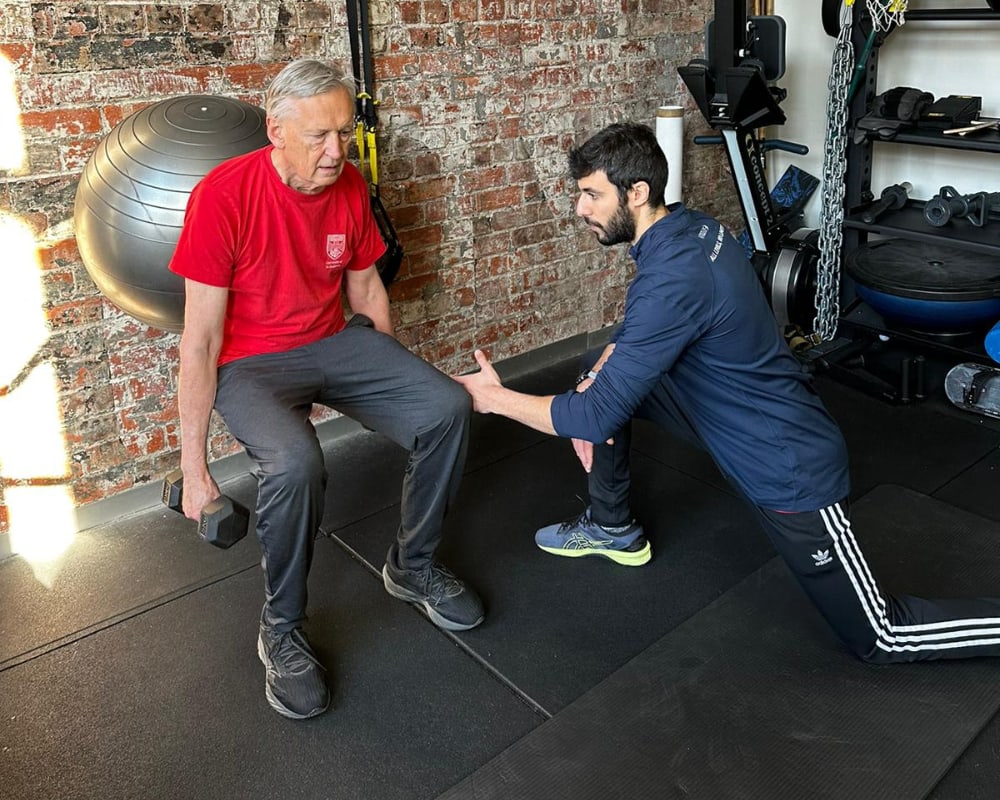

Mobility made practical: joint-friendly exercises to move with less pain
Old joint niggles can turn simple movements into daily hurdles. You want to move with less pain, improve your range of motion, and keep your joints happy without fuss or overwhelm. This post lays out practical, joint-friendly mobility exercises that fit into your busy week, helping you build better movement quality through calm, injury-aware coaching. For more insights on joint-friendly exercises, check out this resource here.
Joint-Friendly Warm-Ups

Starting with a warm-up prepares your body for the exercises ahead. It sets the stage for improved mobility and reduces the risk of injury. Warm-ups should be gentle and focus on increasing blood flow to your joints.
Shoulder Mobility Techniques
Shoulders can often feel tight, especially after a long day at a desk. Here’s how to loosen them up:
-
Arm Circles: Stand tall, stretch your arms out to the sides, and make small circles. Gradually increase the size, then reverse the direction. This helps increase shoulder mobility.
-
Doorway Stretch: Place your hands on a doorway frame at shoulder height. Step forward slowly to feel a gentle stretch across your chest and shoulders. Hold for 20 seconds, breathing deeply, to enhance flexibility.
Most people think shoulder workouts require heavy lifting, but that’s not always the case. Simple mobility exercises can be just as effective in maintaining joint health and improving range of motion.
Hip Mobility Exercises
Hips are key to smooth movement. Keeping them flexible can ease discomfort and support your daily activities.
-
Hip Circles: Stand on one leg, using a wall for support if needed. Swing your opposite leg in a circular motion, aiming for 10 circles in each direction.
-
Seated Leg Swings: Sit on the edge of a chair, feet flat on the floor. Gently swing one leg from side to side, keeping the movement controlled. Repeat with the other leg to engage hip mobility.
It’s a common belief that hip pain is just part of aging. However, regular mobility exercises can significantly reduce this discomfort and enhance your freedom of movement.
Boosting Range of Motion

Improving your range of motion can transform how you move daily. Let’s explore how you can make this a reality with targeted exercises.
Lower Back Friendly Movements
A stiff lower back can hold you back. Here’s how to keep it flexible and pain-free:
-
Cat-Cow Stretch: On all fours, arch your back upwards like a stretching cat, then lower it into a gentle curve like a cow. This movement lubricates the spine and eases tension.
-
Torso Twists: Stand with feet shoulder-width apart. Gently twist your torso to one side, then the other, keeping your hips steady. This exercise strengthens your core while enhancing mobility.
Contrary to popular belief, you don’t need to push through pain for results. Gentle, consistent movement is often more beneficial for long-term joint health.
Knee-Friendly Training Drills
Knees bear much of your body’s weight, making them prone to wear. These drills can help keep them strong and flexible:
-
Half Squats: Stand with feet hip-width apart, lowering yourself into a half squat by bending your knees slightly. Hold for a moment, then return to standing.
-
Heel Raises: Hold onto a chair for balance, then lift your heels to stand on your toes. Lower slowly to work your calf muscles and support knee stability.
Many assume squats are bad for knees, but when done correctly, they can actually protect and strengthen them.
Long-Term Joint Health Tips
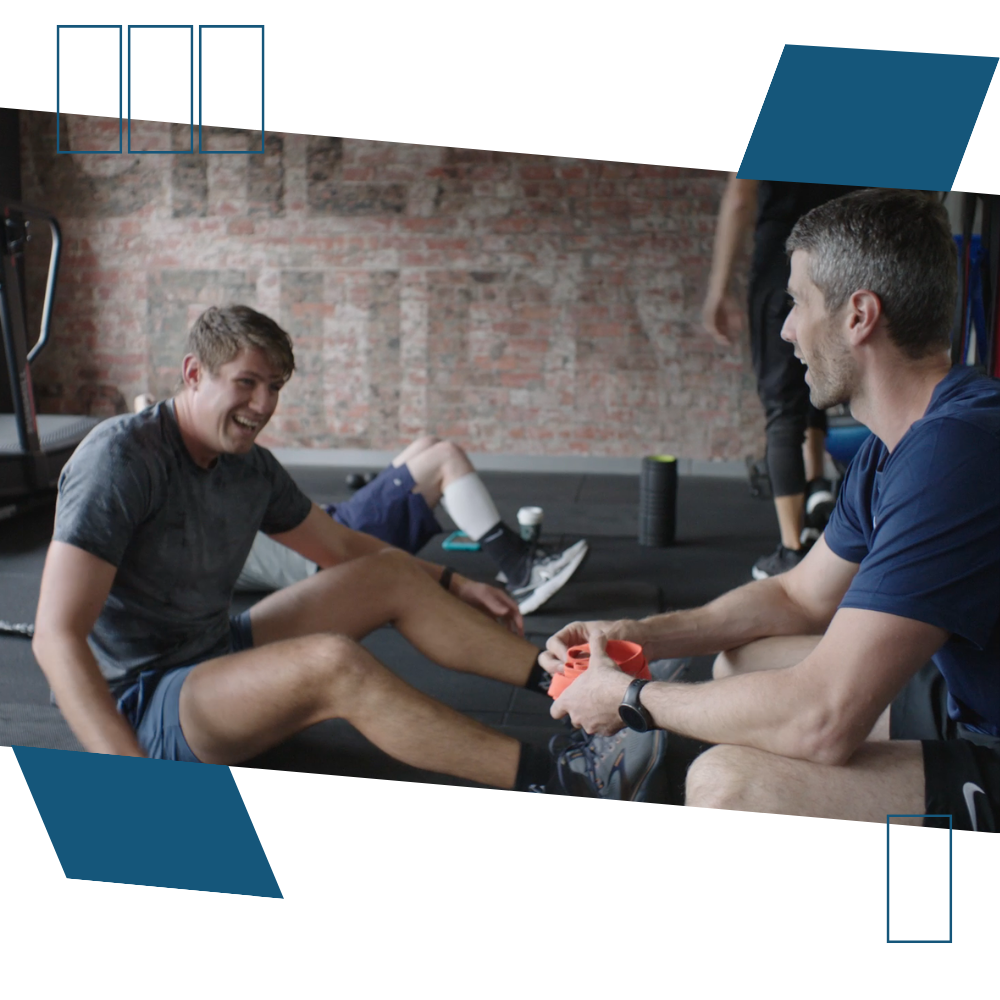
Maintaining joint health is a marathon, not a sprint. By incorporating these tips into your lifestyle, you can safeguard your mobility for years to come.
Time Management for Busy Professionals
Life can get hectic, but prioritising joint health doesn’t have to be time-consuming. Here’s how to fit it into your schedule:
-
Short Sessions: Break down exercises into 10-minute sessions throughout the day. This makes it easier to stay consistent without feeling overwhelmed.
-
Routine Integration: Incorporate mobility exercises into your daily routine, like stretching while watching TV or doing heel raises while brushing your teeth.
Most people think they need hours at a gym, but small, consistent steps can lead to big improvements.
Building a Personalised Program
Creating a tailored program ensures you’re targeting your unique needs. Here’s how to start:
-
Assess Your Needs: Identify which joints give you the most trouble and focus on exercises for those areas.
-
Seek Expertise: Consider consulting a professional to develop a plan that aligns with your goals and current abilities.
Investing in a personalised plan pays off over time, leading to improved mobility and reduced pain. For more detailed exercise routines, check out this helpful guide on joint health.
By committing to these practices, you’ll enjoy a healthier, more active lifestyle. Your joints will thank you now and in the future.