
Safe progression for injury‑aware training: steady strength without flare‑ups
Most training programs overlook how old injuries quietly hold you back. That’s why injury-aware training demands safe progression strategies designed to protect joints and reduce flare-ups. At State of Fitness, we focus on joint-friendly strength and mobility training that improves your range of motion while building steady confidence. Let’s talk about moving better without the guesswork—your knees will thank you later. For more on how to start safely, check out this guide.
Injury-Aware Training Basics

Old injuries can silently linger, affecting your movement. But with the right approach, you can train safely and effectively. Let’s explore how you can progress without risking flare-ups.
Understanding Safe Progression
Safe progression is about making small, deliberate steps. It’s not about rushing or pushing through pain. You start by assessing where you are now. This might mean using lighter weights or fewer reps at first. Listening to your body is key. If something feels off, it’s important to ease up.
Most people think they need to push hard for results. But, by respecting your limits, you actually make more progress over time. It’s about building a strong foundation. As you get more comfortable, you can gradually increase the intensity. This steady approach helps protect your joints while boosting your confidence. For more insights on injury prevention, see this article.
Joint-Friendly Strength Techniques
When it comes to strength training, joint-friendly techniques are essential. These moves focus on building muscle without straining your joints. Think about using resistance bands or incorporating body-weight exercises. These options are gentle yet effective.
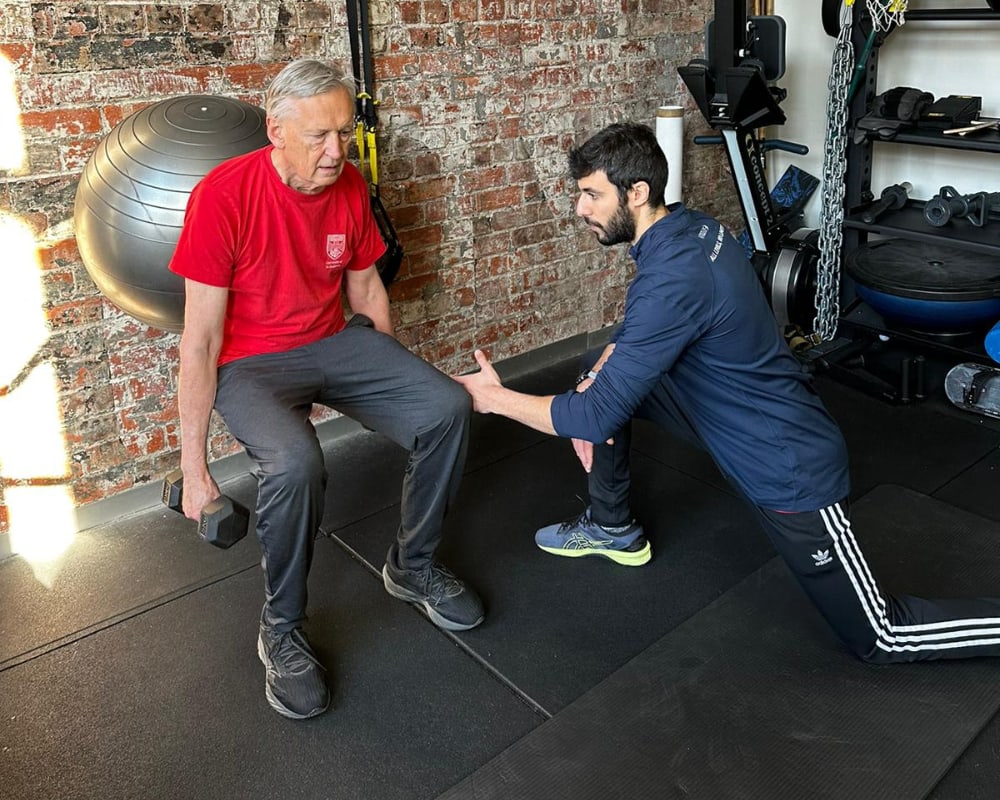
Using proper form is crucial. Poor technique can lead to injuries. That’s why working with a coach who guides you through each movement can make a big difference. They can help adjust your form and ensure you’re activating the right muscles. Most people think adding more weight is the goal, but quality trumps quantity. With the right techniques, you build strength and protect your joints.
Building Mobility and Confidence

Once you have a handle on safe progression, building mobility becomes the focus. Mobility is about moving freely and without pain. It’s not just about flexibility; it’s about control.
Improving Range of Motion
Improving your range of motion starts with consistent practice. Gentle stretches and dynamic movements are your go-to tools. A simple routine might include leg swings or arm circles. These moves help loosen tight areas and improve joint function. You might not notice a difference overnight, but stick with it, and you’ll see results.
Many people underestimate how improving mobility can impact their daily lives. Imagine reaching for something on a high shelf without worrying about straining your shoulder. That’s the kind of freedom improved mobility brings. It’s about small, consistent wins that add up over time. For more rehabilitation tips, consider reading this resource.
Movement Quality Over Quantity
When it comes to movement, quality beats quantity every time. It’s easy to get caught up in doing more reps or lifting heavier weights. But focusing on the quality of each movement ensures you’re getting the most out of your workouts.
Concentrating on how you move rather than how much you move reduces strain on your body. It also helps you develop better muscle memory. This means fewer injuries and more efficient workouts. When you prioritise movement quality, you set yourself up for long-term success.
Personalised Coaching Approach
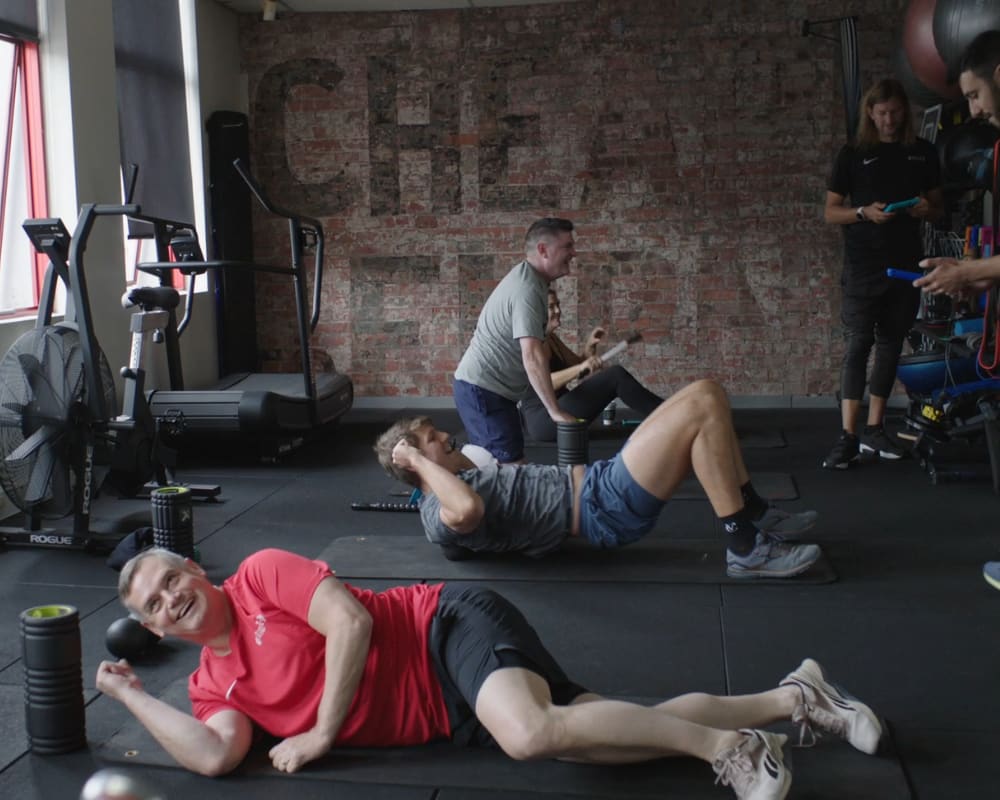
Personalised coaching takes your training to the next level. By focusing on your unique needs, you can achieve your goals more effectively. Coaches provide guidance tailored to your body and abilities.
Technique-First Coaching Benefits
With technique-first coaching, you learn the right way to perform each exercise. This focus on form helps prevent injuries. Coaches give immediate feedback, correcting mistakes and offering tips. They help you understand why a certain technique is used, making you more mindful in your workouts.
Many people think they know how to exercise, but having expert eyes on your technique can be eye-opening. You’ll find that small tweaks can make a big difference. This approach builds your confidence and ensures you’re working your muscles correctly.
Time-Efficient Workouts and Longevity Fitness
Time-efficient workouts are a game-changer for busy professionals. You don’t need long sessions to see results. By focusing on the most effective exercises, you make the most of your time. These workouts fit seamlessly into your life, making consistency easier.
Longevity fitness is about preparing your body for the long haul. It’s not just about the here and now. By training smart, you ensure your body stays strong and healthy for years to come. This approach means fewer injuries and a more active lifestyle. Working with a coach ensures your workouts are both efficient and effective, allowing you to enjoy fitness without stress. For safe exercise tips, visit this helpful guide.
At State of Fitness, our focus on injury-aware training and personalised coaching helps you move better and feel better. It’s about steady, sustainable progress that supports your lifestyle. So, if you’re ready to take control of your fitness journey, we’re here to support you every step of the way.