Healing Through Strength: Why Personalised Training is Your Best Friend in Injury Recovery
Injury recovery is rarely a simple, one-size-fits-all process. Generic routines often overlook your unique needs, leaving mobility and strength improvements stalled or uneven. Personalised strength training focuses on safe rehabilitation, targeting your specific limitations and goals with expert coaching. This tailored approach helps you move better and rebuild confidence, without unnecessary strain or guesswork. For more insights, check out this article.
The Power of Personalised Training
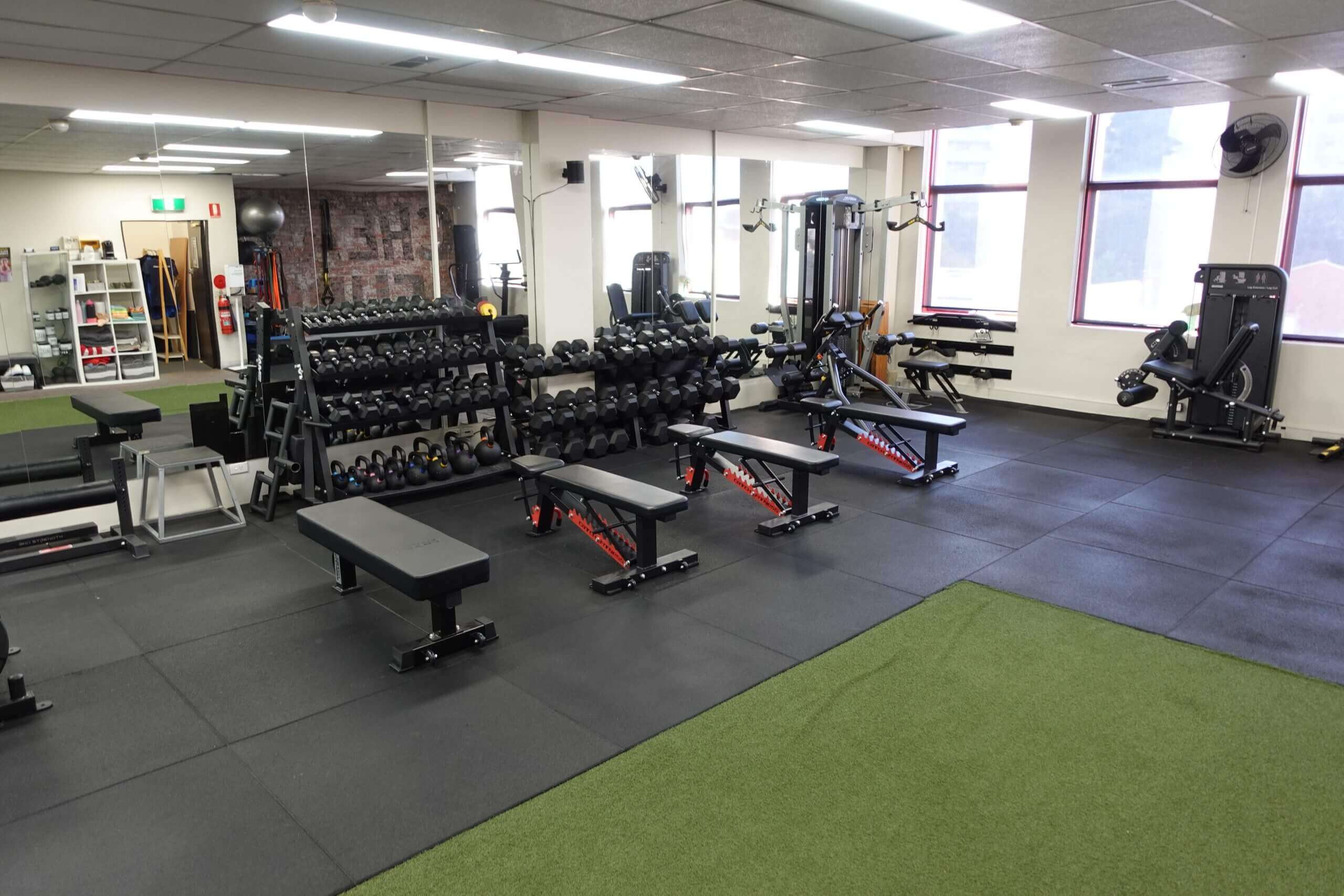
Personalised training is your secret weapon in injury recovery. It focuses on your unique needs, promoting safe and effective rehabilitation.
Understanding Personalised Strength Training
Imagine a training program designed just for you. Personalised strength training does exactly that. It tailors every exercise to cater to your specific needs and goals. Instead of following generic routines, you engage in a plan that considers your current abilities and the areas that require improvement. For instance, if you’re healing from a knee injury, your program will focus on exercises that strengthen your leg muscles without overstraining the joints. This approach ensures that every workout is productive and safe, helping you regain strength and confidence at your own pace.
Personalised training also reduces decision fatigue. With a structured plan, you can focus on executing the exercises rather than figuring out what to do next. This clarity allows you to enjoy your workouts, knowing each session brings you closer to full recovery. For more information on the benefits of personalised training, visit this blog.
Tailored Fitness Programs for Recovery
Tailored fitness programs are like a custom-fit suit—perfectly adjusted to your body. When recovering from an injury, the last thing you need is a one-size-fits-all solution. Your body deserves attention to detail, ensuring each exercise supports your healing process. For example, if you have a shoulder issue, your program will include joint-friendly exercises to improve mobility without causing pain.
Moreover, these programs adapt as you progress. As you regain strength, your exercises will evolve, keeping you challenged and motivated. This adaptability is crucial for long-term recovery, ensuring you don’t plateau or regress. The goal is to keep you moving forward, celebrating small victories along the way. Discover more about the significance of personalised recovery programs here.
Benefits of Personalised Training for Injuries
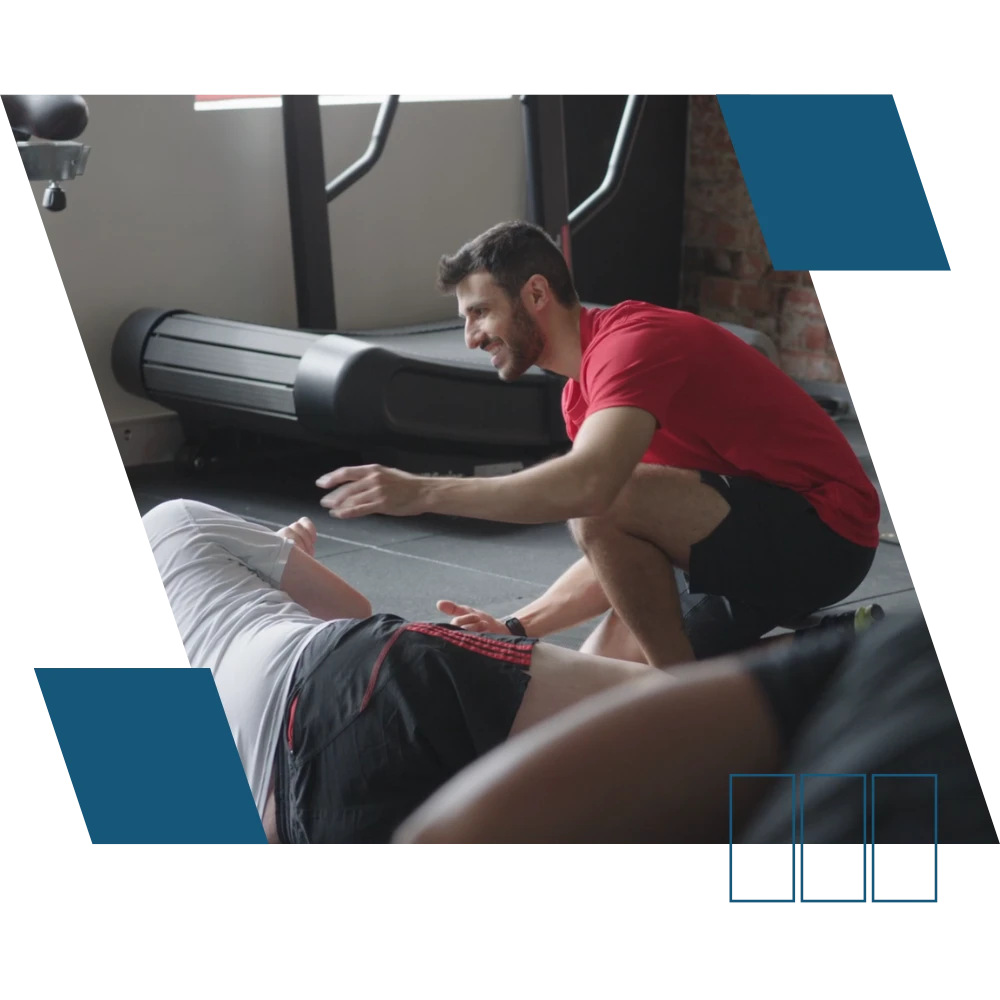
When it comes to injuries, personalised training offers targeted solutions that standard routines simply can’t match.
Mobility Improvement and Joint Health
Improving mobility and maintaining joint health are vital in injury recovery. Personalised training focuses on enhancing your range of motion, helping you move more freely and comfortably. By incorporating exercises that gently stretch and strengthen your muscles, you can reduce stiffness and pain. This targeted approach is especially beneficial for those with chronic injuries, such as lower back pain or knee issues. Each session is a step towards better movement quality, allowing you to perform daily activities with ease.
But here’s the key insight: most people think they need to push through pain for progress. In reality, a gentle approach often yields better results. By prioritising joint-friendly exercises, you ensure long-term joint health and prevent future injuries. Your knees will thank you! Read more about combining personal training and physical therapy here.
Safe Rehabilitation and Expert Coaching
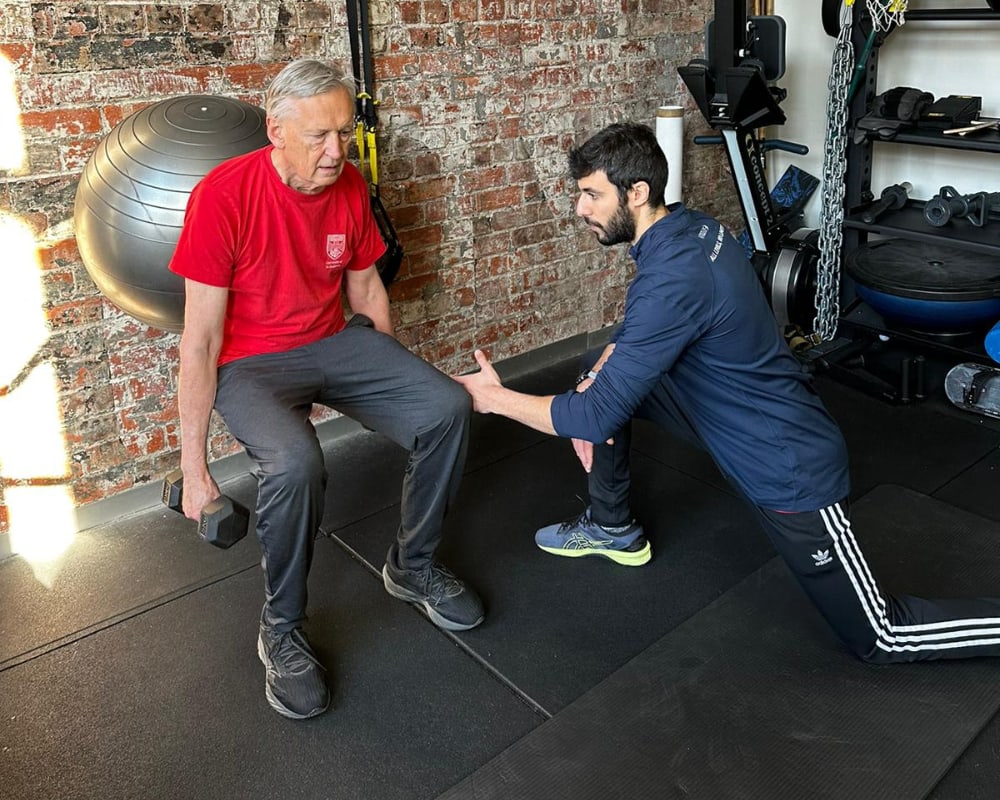
Safe rehabilitation is the cornerstone of effective injury recovery. With expert coaching, you have the guidance needed to navigate this journey. Trainers with experience in injury recovery understand the nuances of your condition and tailor your program to avoid aggravating existing issues. They provide real-time feedback, ensuring your form is correct and your efforts are safe. This hands-on approach helps you build confidence, knowing you’re in capable hands.
Most people believe they can self-diagnose and recover on their own. However, having a professional guide you reduces the risk of setbacks and speeds up your recovery. Trust in expert coaching to provide the support and assurance you need to get back on track.
Achieving Long-Term Success
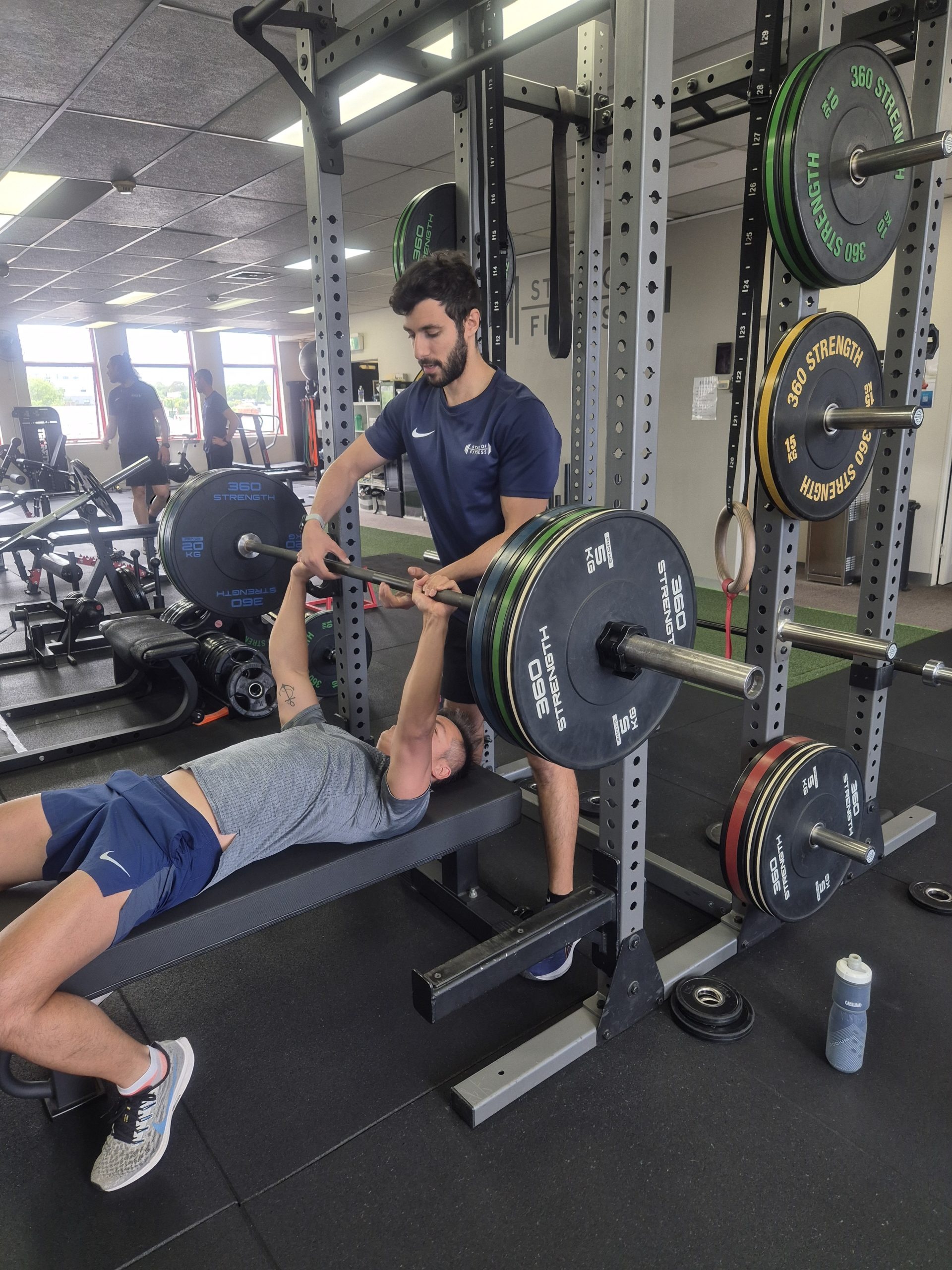
Reaching recovery goals isn’t just about short-term fixes. It’s about achieving long-term success through consistent, safe training strategies.
Building Strength Safely
Building strength safely is essential for sustained recovery. Personalised training plans focus on gradual progression, allowing your body to adapt without undue stress. By starting with foundational exercises, you create a solid base that supports advanced movements as you improve. This methodical approach prevents injury recurrence and builds a resilient body.
Here’s a pattern break: Forget the myth that you need to lift heavy weights to get strong. True strength comes from controlled, precise movements that challenge your muscles without compromising safety. As your strength grows, so does your confidence, empowering you to tackle everyday tasks with ease.
Sustainable Progress and Movement Quality
Sustainable progress is about enjoying consistent improvements without burnout. Personalised training prioritises movement quality, ensuring every action is performed with precision. This focus on technique not only enhances your results but also minimizes injury risk. By mastering the basics, you set the foundation for complex movements later on.
Remember, it’s about progress, not perfection. Celebrate the small wins, like increased flexibility or pain-free days. These milestones are markers of your journey towards long-term health. The longer you wait, the more challenging recovery becomes—so embrace your personalised path today for a future filled with movement freedom and vitality. For further reading on injury recovery, explore this blog.