Expert Tips for Safe Progression in Strength and Mobility Training
Safe progression in strength training and mobility work isn’t about pushing harder every session. It’s about respecting your body’s limits while gently expanding your range of motion and movement quality. With the right guidance, you can build strength without risking injury or frustration. Let’s explore practical tips that make your training structured, personalised, and sustainable—because your joints will thank you later. For more insights, check out this guide to safe exercise progression.
Safe Progression Techniques
Training smartly means knowing how to increase your limits without overstepping. Let’s dive into how you can make progress safely and surely.
Gradual Load Increases
When you’re building strength, the secret is in the weights. But lifting heavier doesn’t mean rushing to the max. Start by adding small increments—think of just 2 to 5 kilograms more each week. It’s like climbing stairs. One step at a time feels safer and gets you higher. This method not only helps your muscles grow but also protects your joints from sudden strain.
Most people believe in lifting as much as possible, but it’s more about consistency. By increasing your load gradually, your body adapts better, and you reduce the risk of injury. It’s the turtle versus the hare story; slow and steady wins the race. Want to know more? Learn from these strength training tips for progression.
Listen to Your Body
Your body is smarter than you think. It sends signals when something isn’t right. Feeling a sharp pain? It’s a red flag to stop. A little soreness can be normal, but pain is your cue to pause. If you ignore these signs, you risk injuries that can set you back. Instead, give yourself time to recover. Recovery is as crucial as the workout itself.
Think of recovery days as part of your training plan. It’s not about being lazy; it’s about being wise. Your muscles repair and grow when you rest. So, next time you feel like pushing through, remember: Your body’s whispers are worth listening to.
Strength Training Insights
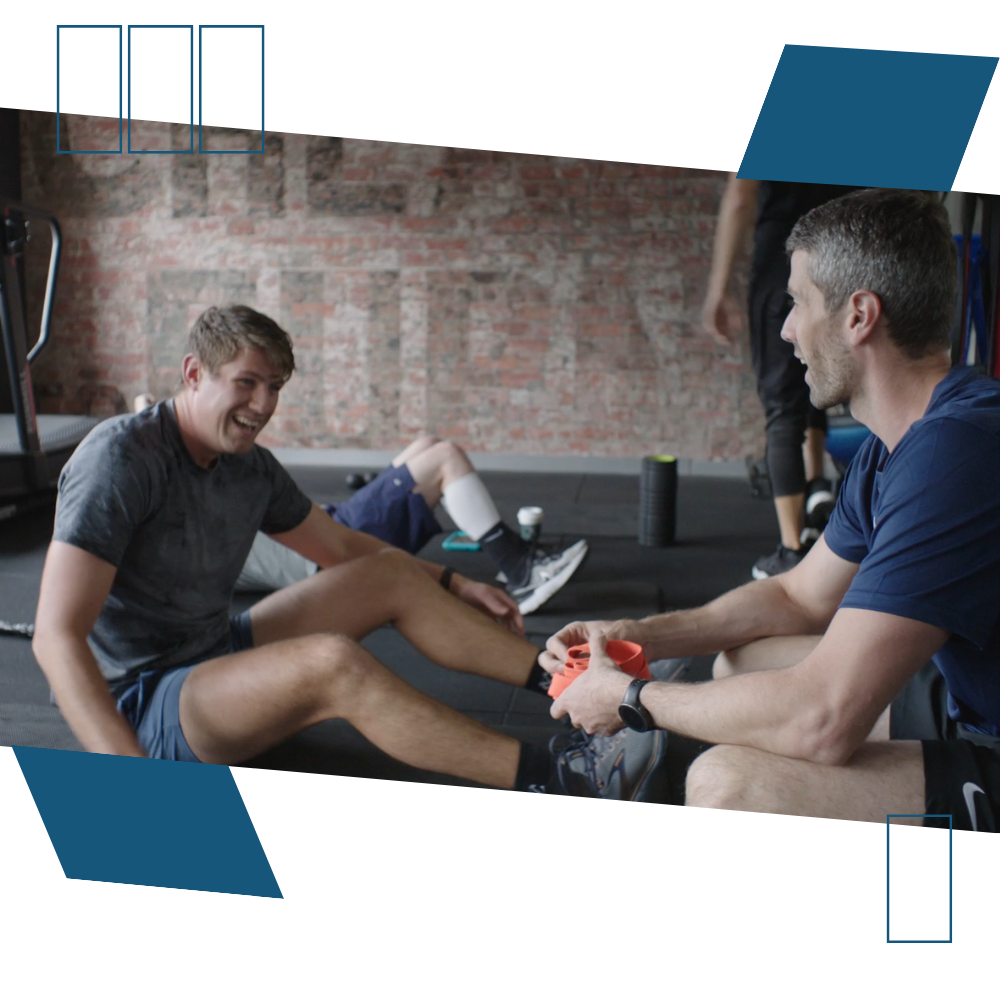
Understanding the basics of strength training can transform your workout. Let’s focus on form and structure to make the most of your sessions.
Importance of Form and Technique
The quality of your movement matters more than the quantity. Imagine doing squats but with poor posture. What you’re doing is inviting injuries. Correct form ensures you work the right muscles and avoid unnecessary strain. For instance, keeping your back straight during deadlifts protects your spine while engaging your glutes and hamstrings effectively.
Try this: During your next session, focus on your form. Use mirrors or ask a friend to check your posture. Small tweaks can make a big difference. Remember, good technique is your best friend in strength training. For more on this, explore these tips for a successful strength training program.
Benefits of Structured Workouts
Having a plan brings clarity. Structured workouts mean you know what you’re doing and why. They help you track your progress and push you just enough without going overboard. A weekly plan might include three strength sessions with specific goals, like increasing reps or improving form.
With a structured approach, you can measure your improvement. It’s not about working harder; it’s about working smarter. A planned routine removes guesswork and helps you focus on quality over quantity. You’ll find satisfaction in seeing real progress over time.
Mobility Training Essentials
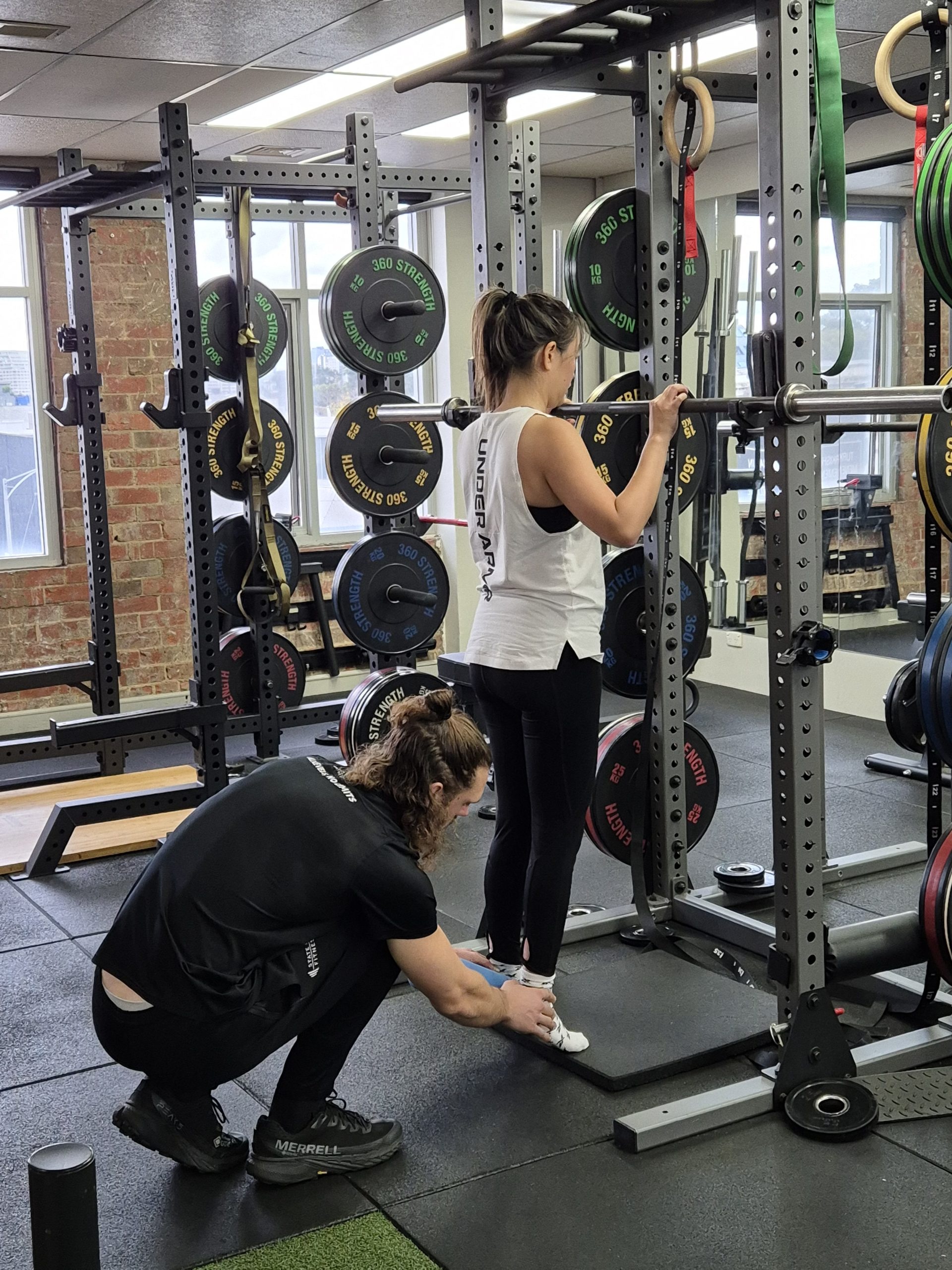
Mobility is the unsung hero of fitness. It’s what helps you move freely and painlessly. Let’s explore how to improve your movement quality.
Improving Joint-Friendly Movements
Our joints love to move. But they need the right kind of movement—smooth, controlled, and deliberate. Start with exercises that mimic daily activities. Think of gentle rotations for your shoulders or hip circles. These movements keep your joints healthy and flexible.
Consider adding dynamic stretches to your routine. They prepare your joints for action by increasing blood flow. Plus, they minimize the risk of injury. Your joints will appreciate the care. Curious to learn more? Check out how strength through full range of motion can benefit you.
Enhancing Movement Quality
Improving how you move is as important as the strength you build. Focus on exercises that promote balance and coordination. For instance, single-leg stands challenge your stability and strengthen your support muscles.
Movement quality shines through control. Practice slowing down your reps to engage muscles fully. This method not only enhances strength but also increases awareness of your body’s mechanics. With time, you’ll notice smoother, more efficient movements. And that’s a win for your overall fitness journey.
By embracing these techniques, you’re setting the foundation for long-term health and strength. It’s not just about getting stronger; it’s about moving better and feeling great every day.