Unlocking the Benefits of Mobility Training for Joint Health and Pain Reduction
Old injuries and stiff joints can make daily life feel like a slow climb. Mobility training offers more than just movement—it targets joint health and pain reduction with a steady, personalised approach. When you improve your range of motion and movement quality, your body thanks you in ways you didn’t expect. Let’s explore how a tailored mobility program can fit your busy life and help you feel more capable, not worn out. For more insights, check out this article on the importance of flexibility and mobility.
Understanding Mobility Training
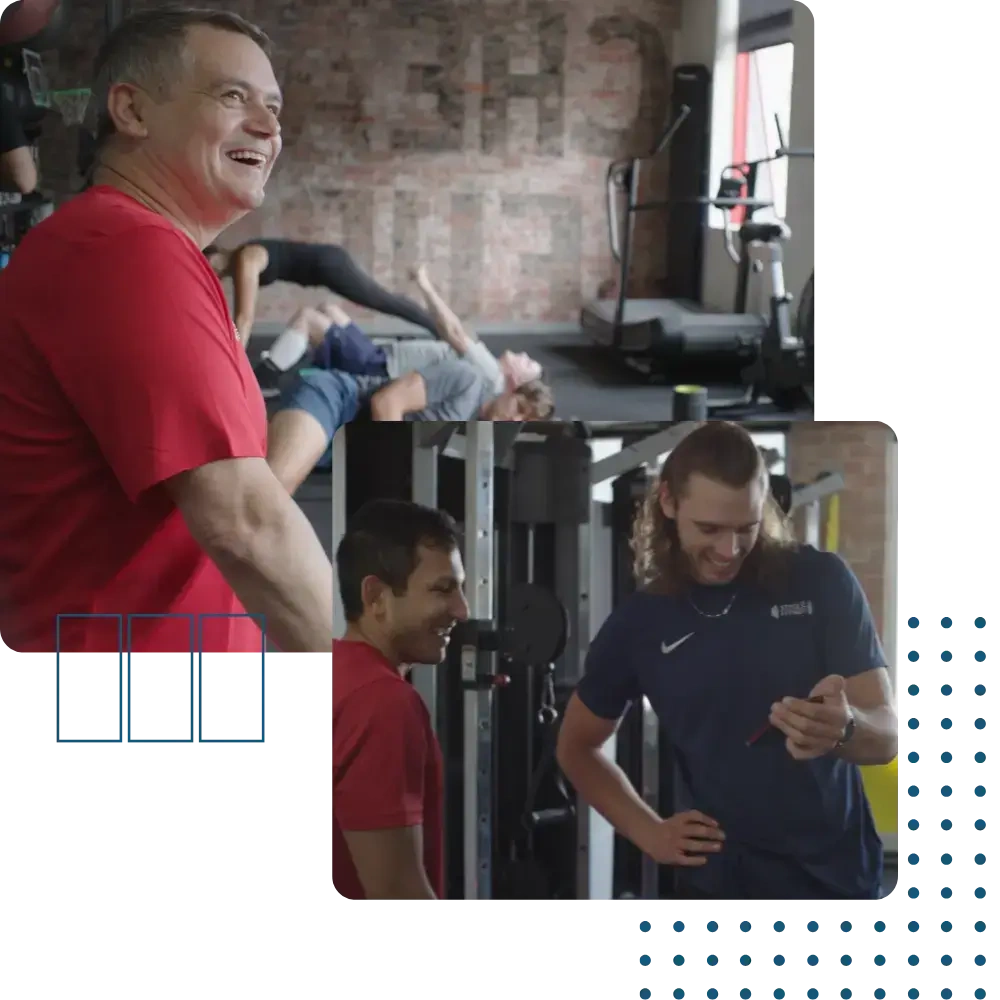
Mobility training is more than just stretching; it’s a key component to feeling your best daily. By focusing on joint health, you ensure your body can move efficiently and with ease.
What Is Mobility Training?
Mobility training is about actively improving how your joints move. Unlike static stretching, it’s dynamic and involves movement through a full range of motion. This helps keep joints healthy and reduce stiffness. Imagine a door hinge that moves smoothly without sticking—that’s the goal for your joints. Mobility training includes exercises like hip circles, arm swings, and dynamic lunges, which encourage fluidity in your movements. Most people think they can skip this part of their workout, but it’s crucial for maintaining joint health as you age.
Key Benefits for Joint Health
You might wonder why joint health is important. Healthy joints mean you can move freely, without pain or restriction. Regular mobility work helps prevent injuries by strengthening the muscles supporting your joints. This training also improves circulation, which can aid recovery and reduce inflammation. For instance, those who engage in mobility exercises report less joint discomfort and greater ease in daily activities. It’s like giving your body the oil change it needs to run smoothly.
Importance of Range of Motion
Range of motion is the distance your joints can move in their designed way. Improving this can help you perform activities you love without strain. If you’ve ever struggled to reach a high shelf or bend down to tie your shoes, mobility training can make these tasks easier. It works by lengthening and strengthening muscles around the joints, allowing for more efficient movement. This is particularly useful if you’ve had injuries in the past that limited your motion.
Pain Reduction Through Mobility
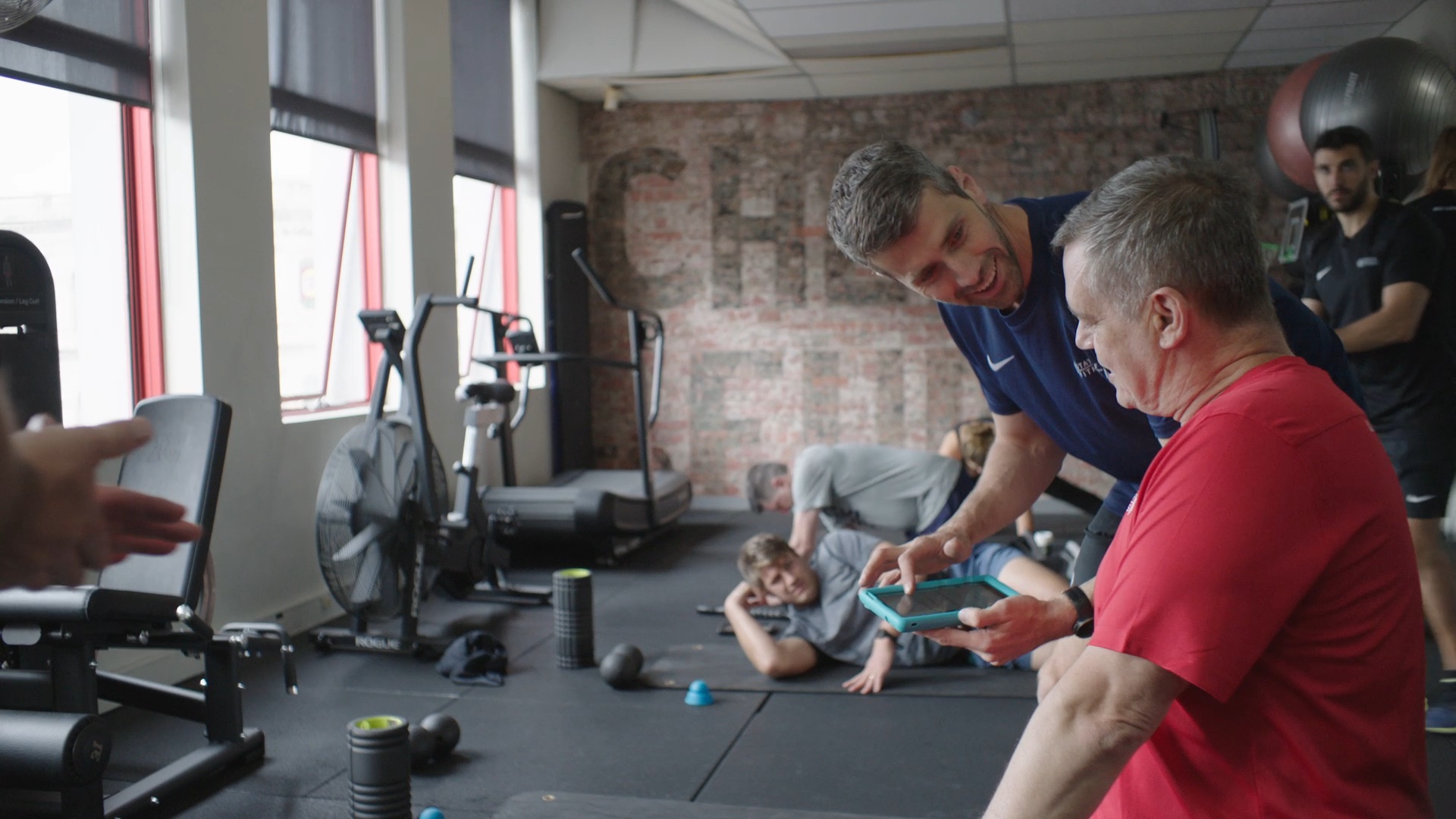
Now that we understand mobility, let’s explore how it can ease pain and support recovery. Mobility training can be a game-changer for those dealing with aches and previous injuries.
Tackling Old Injuries
Old injuries can leave you feeling stuck. Mobility training helps by gently working through and around these areas, promoting healing and reducing discomfort. For example, someone with a past knee injury might use specific exercises to increase flexibility and strength, allowing them to move without the old twinges. According to SportsMed Texas, mobility is essential in recovering from injuries and boosting joint function.
Improving Movement Quality
Quality movement isn’t just for athletes. It’s about making your everyday movements smooth and pain-free. Mobility training focuses on control and precision, reducing the risk of compensatory movements that can lead to further injury. This means less energy wasted and more efficient movement in your daily life. You’ll notice improvements quickly, from being able to walk longer distances to performing tasks without discomfort.
Personalised Coaching for Pain Relief
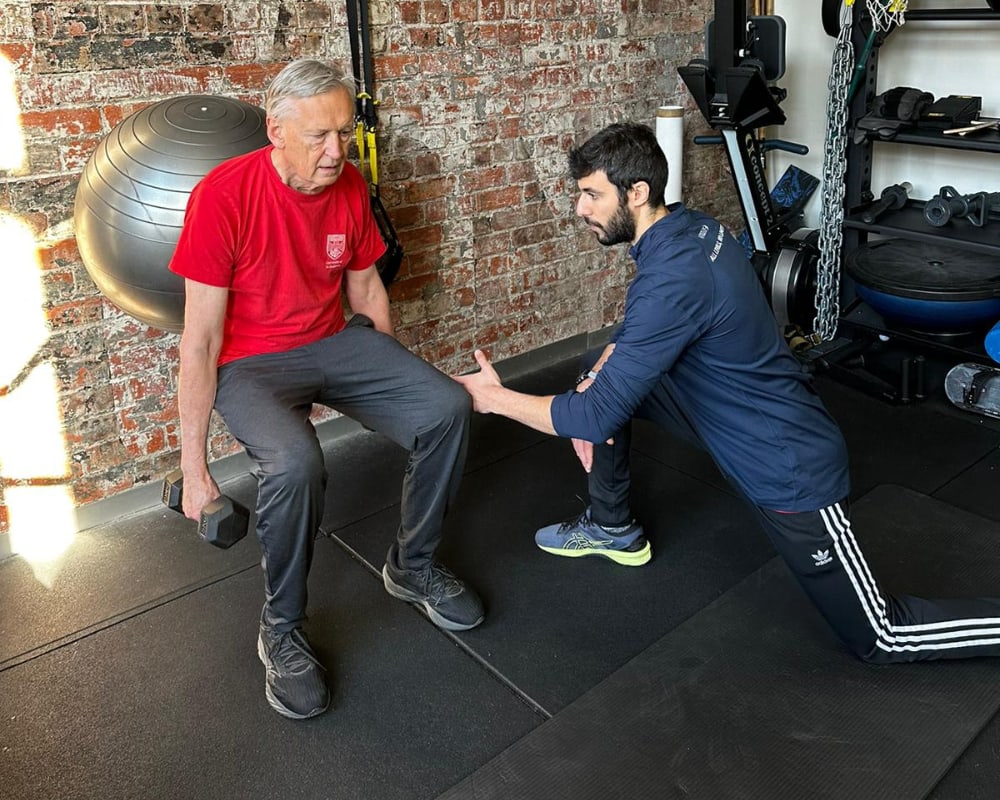
Personalised coaching means having a plan that fits your body’s needs. At State of Fitness, we tailor mobility sessions to address your specific pain points. Our coaches guide you through exercises designed to alleviate discomfort and improve movement quality. It’s like having a map when you’re navigating pain recovery—clear, direct, and effective. With precise guidance, you can make meaningful progress.
Building Long-Term Joint Health
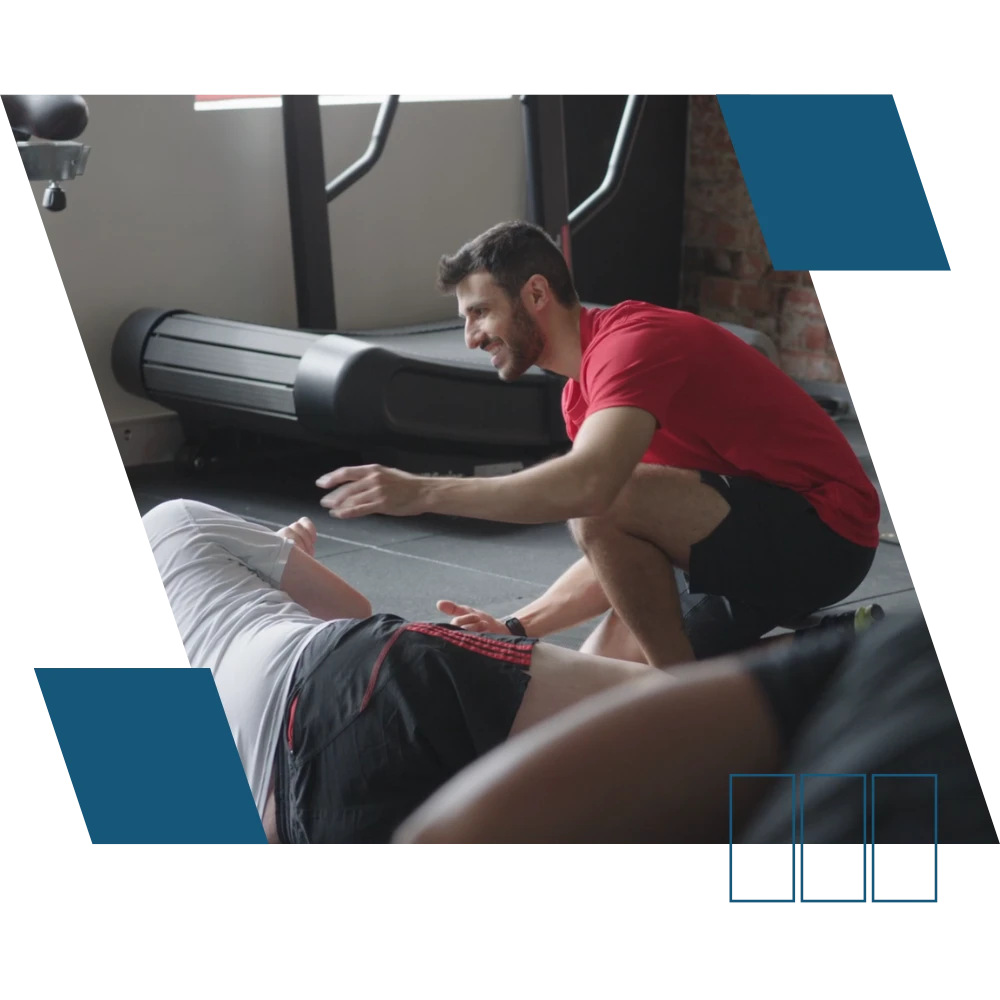
Mobility work doesn’t just provide short-term relief; it builds a foundation for long-term health. Let’s look at how sustainable practices can protect your joints for years to come.
Structured and Safe Progression
Structured progression ensures you’re consistently improving without overdoing it. We focus on gradual increases in intensity and complexity, allowing your body to adapt safely. This approach helps prevent the common pitfall of doing too much too soon, which can lead to setbacks. By sticking to a structured plan, you build strength and flexibility that lasts.
Sustainable Habits for Life
Building sustainable habits is key to maintaining joint health. This means incorporating simple mobility exercises into your routine—just like brushing your teeth. Consistency is crucial; even a few minutes daily can make a difference. It’s the small, regular efforts that lead to lasting change, making your body more resilient and less prone to injury.
Creating a Joint-Friendly Routine
Creating a routine that prioritises joint health involves choosing activities that support movement without strain. Incorporating exercises like yoga or tai chi can complement your mobility work and help maintain fluidity in your joints. As you develop this routine, you’ll notice increased ease and less discomfort in daily tasks. And remember, the longer you wait to start, the more your joints will remind you why you shouldn’t.
By focusing on these areas, you can enjoy movement well into the future. Mobility training is more than an exercise—it’s an investment in your health. For more information on joint health, visit Florida Joint and Spine.